PBN Backlinks: What Private Blog Networks Cost and How They Get Caught

A PBN link costs a fraction of an editorial one because the same sites are sold to buyer after buyer. That resale is the pattern Google's link spam systems look for.
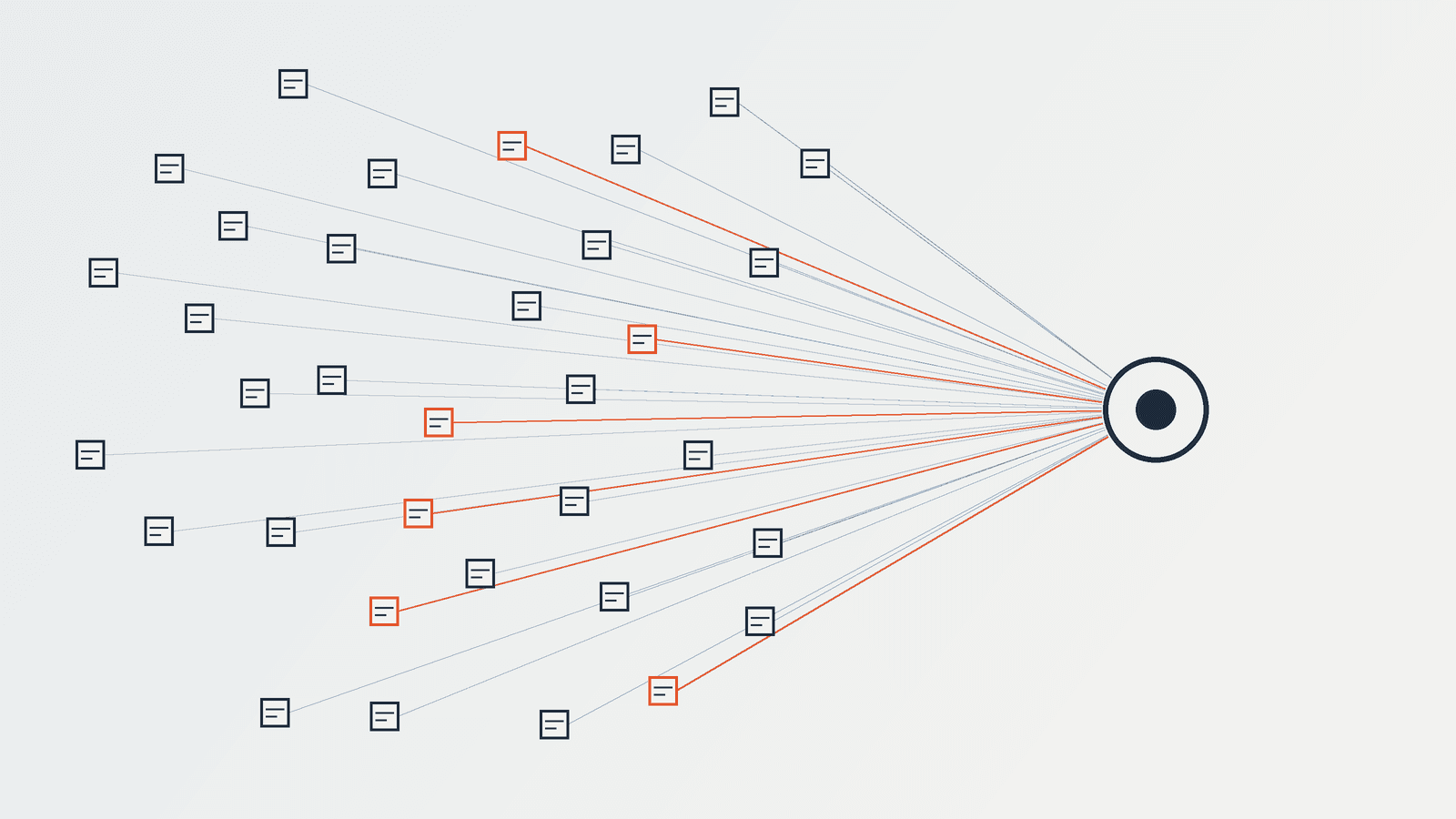
PBN backlinks are links from a private blog network: a set of sites one owner controls, usually built on expired domains, that exist to link to the sites the owner or the owner's customers want to rank. They are cheap, and the reason they are cheap is the reason they get caught. A network only pays if each site is sold to many buyers, and that resale leaves a pattern. Since December 2022, Google says its SpamBrain system can detect "sites used for the purpose of passing outgoing links."
Below: what PBN links cost, why the economics create a footprint, what Google says and does, how to spot one in your own profile, and what to do instead.
Short answers#
- What is a PBN? A group of sites, often on expired domains with old backlinks, run by one owner to pass links. Google never uses the phrase, but its spam policies cover the practice. How they're built.
- What do PBN links cost? The 11 packages we priced from three sellers on 10 October 2026 had a median of $3 a link. The price chart.
- How do PBNs get caught? Volume. One network in a 2019 study linked a new paying customer from each site about every two days. The footprint.
- Do PBN backlinks still work? They can move rankings until they are found. Google's stated aim is to neutralize the links, so the credit disappears, and some sites get manual actions. The risk.
- What should I do instead? Earn links people choose to give: reclaimed mentions, partners, one page worth citing, and outreach. Five steps.
What is a PBN backlink?#
A PBN operator buys expired domains that still have backlinks from their previous life, puts up enough content to look like a blog, and sells links from those pages. The 2019 academic study Purchased Fame (Van Goethem et al., ACM AsiaCCS) describes providers that "buy expired domains" for exactly that leftover trust.
Google's spam policies never use the words "private blog network." They don't need to. Three entries cover it:
- Link spam: "creating links to or from a site primarily for the purpose of manipulating search rankings," including "Buying or selling links for ranking purposes."
- "Creating low-value content primarily for the purposes of manipulating linking and ranking signals."
- Expired domain abuse, added in March 2024: "an expired domain name is purchased and repurposed primarily to manipulate search rankings by hosting content that provides little to no value to users."
Google draws its own line in that post: "It's fine to use an old domain name for a new, original site that's designed to serve people first." A PBN fails that test by design. Its sites exist to link out.
What do PBN links cost?#
We fetched three PBN sellers' pages on 10 October 2026 and divided each package price by its number of links. We set those against the PBN services researchers bought in 2019, and against what Ahrefs found real sites charge for editorial placements.
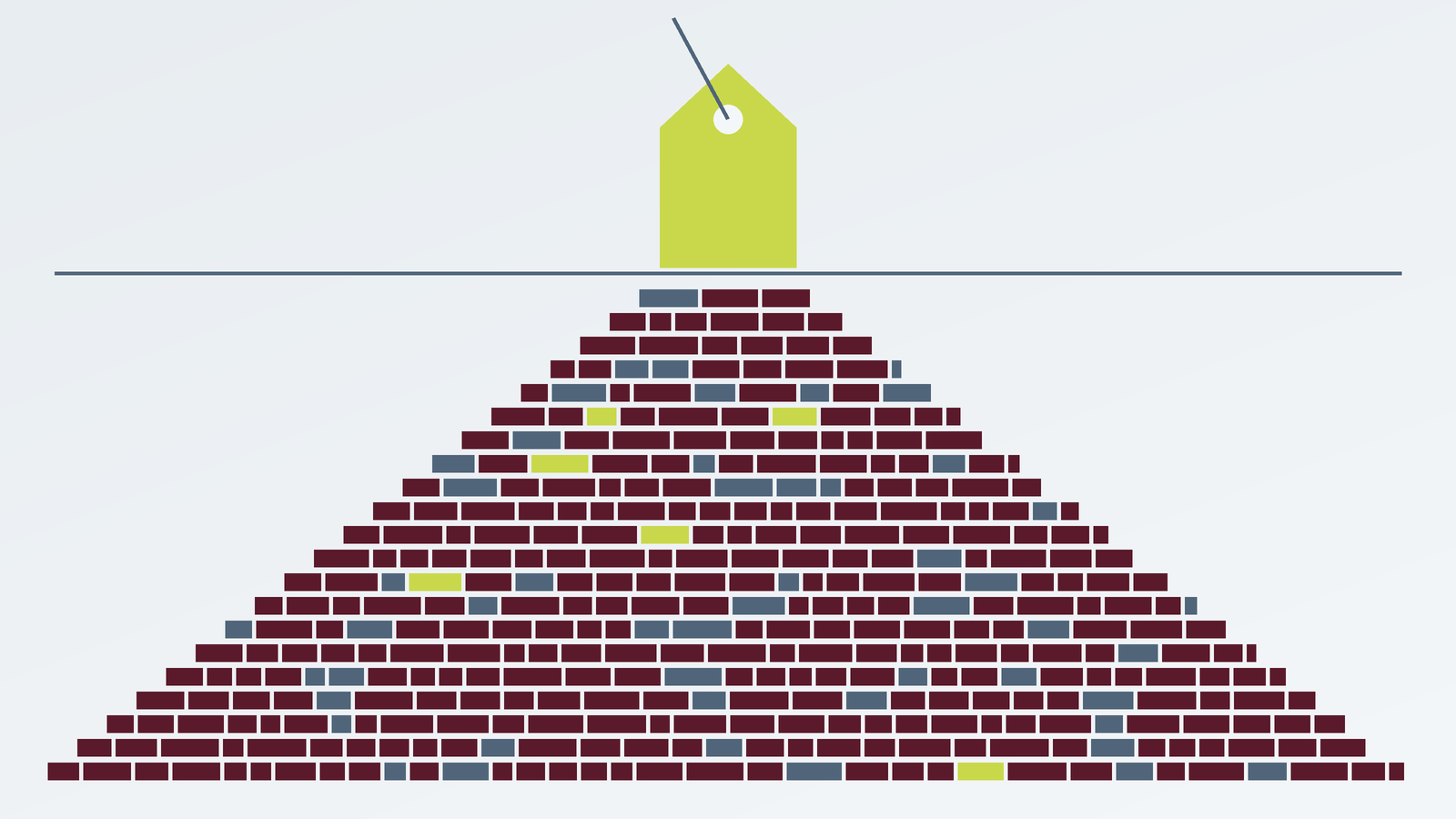
The 2026 packages run from about 20 cents a link (999 "High DA" links for $200) to $20 for a single homepage link the seller lists at DR 70. The median is $3. The 2019 purchases, from Fiverr, SEOClerks, KonKer and BackLinks.com, had a median of $6.
Compare that with Ahrefs, which pitched hundreds of real sites: $77.80 on average for a guest post and $361.44 for a niche edit. A real site charges about 26 to 120 times the median PBN link. The gap isn't a bargain. It's a sign that the authority metric on a PBN listing was built for sale, because a site with real readers doesn't sell a DR 70 link for $20.
The sellers' own copy says the rest. PBN Links For Sale, the store with the most packages in our sample, describes itself as "the world's safest PBN service company" whose links "remain effective and undetectable." It also offers a "12-month placement guarantee - if any link is removed, we replace it free of charge." Nobody guarantees replacements for links they expect to last. Our buying backlinks guide covers paid links more broadly.
Why do PBNs get caught?#
Because $3 links only pay at volume, and volume can be measured. The Purchased Fame researchers watched two networks for a month, and their numbers give two useful ratios.
Put plainly: each site in both networks took on a new paying customer every two days or so, and SEO Ways packed about four domains onto each IP address.
Those are the footprints. A blog with real readers doesn't add a new unrelated commercial outbound link every two days, forever. The researchers built a classifier that detected PBN sites "with an accuracy of 98.7%" and found clusters "from a handful of websites to several hundred websites" controlled by one entity. If a university team can do that, assume Google can.
Sellers have claimed otherwise for a long time. In December 2013, Google's then head of webspam Matt Cutts quoted one network's sales page in a tweet, as Search Engine Roundtable reported: "There are absolutely NO footprints linking the websites together" Oh, Anglo Rank.
What does Google do about PBNs?#
Two things, in Google's own words.
It neutralizes the links. The December 2022 link spam update said Google was "leveraging the power of SpamBrain to neutralize the impact of unnatural links," and that it "can now detect both sites buying links, and sites used for the purpose of passing outgoing links." Rankings "may change as spammy links are neutralized and any credit passed by these unnatural links are lost."
It sometimes takes manual action. In September 2014, Search Engine Roundtable reported that Google "has sent out hundreds, if not thousands, of manual action notifications to those participating in these networks." Google did not confirm or deny it at the time. Our toxic backlinks guide covers what a manual action for unnatural links looks like and when the disavow tool helps.
Do PBN backlinks still work?#
Sometimes, for a while. That is why people still sell them. But the bet is lopsided:
- Best case: the links pass credit until they are found, then the credit goes to zero. You paid for rankings you rent, not own.
- Usual case: neutralization. Stellar SEO, an agency ranking for this term, puts it this way: "the most common outcome of low-quality or manipulative backlinks is neutralization, not punishment."
- Worst case: a manual action on your own site, which needs a cleanup and a reconsideration request before you recover.
Neither the sellers nor Google publish how often each happens, so nobody can honestly give you odds. What you can see is the seller's replacement guarantee, which prices in that links get removed.
How to spot a PBN link in your profile#
If you inherited a site or hired an agency, check the linking domains that look strong but feel odd. Signs to look for:
- Unrelated history. The Wayback Machine shows the domain was a school, charity or local business before it became a general blog.
- Every post links out commercially. Each article carries one outbound link with a keyword anchor to a different business.
- High authority score, no audience. A strong DR or DA with little organic traffic, no comments, no social presence and no named authors.
- Generic everything. Stock theme, thin About page, no contact details, posts on every topic.
- Shared hosting patterns. Several linking domains on the same IP range or nameservers, linking to the same sites.
- Sudden arrival. A batch of these links appearing in the same few weeks. Link velocity explains why that stands out.
Our backlink audit guide walks through the full check.
What to do instead in 5 steps#
Step 1: reclaim links you are already owed. Find unlinked mentions of your brand and broken links to pages you moved, then ask for the fix. See link reclamation.
Step 2: ask people who already know you. Partners, suppliers, customers, associations and podcasts link to relevant sites that ask. That is the easiest editorial link there is.
Step 3: publish one page worth citing. An original number, a free tool or a template. Something a writer would link to without being paid.
Step 4: pitch it to people already covering the topic. Link building outreach, resource pages and broken link building all work from the same asset.
Step 5: track referring domains, not link counts. Ten links from sites with readers beat a thousand from a network.
The safe alternative is mostly email. GenLink's backlink agent finds sites already writing about your topic, pitches your page from your own domain and follows up, so the links you get are ones real editors chose.
What the top results get wrong#
We read the top seven results for "pbn backlinks" on 10 October 2026. Two could not be fetched (one timed out, one was behind a bot wall) and count as unverified.
- 4 of 7 warn about penalties or deindexing, and 5 of 7 explain expired domains. The guides are mostly honest about risk.
- 1 of 7 quotes or links Google's documentation, and that one links an old URL. 0 of 7 mention expired domain abuse, the 2024 policy that names the core PBN tactic.
- 1 of 7 gives any prices: Respona, which notes that sites selling placements "at $5-10 each" are "almost certainly a PBN."
The limits of this evidence#
Our price sample is three sellers whose pages we could fetch on one day; four marketplace listings returned empty pages. Seller metrics like DR were not checked. One store does not say whether its price is per link, so we read it as per unit. The network ratios come from two networks observed for one month in 2019. Neither Google nor the sellers publish how many PBN links get neutralized.
Rent nothing you can't keep#
A PBN link is cheap because it is shared, and shared at a rate no real blog would ever link out. That is what makes it findable. Spend the money and time on links you would still want if Google read every one by hand.
Build links you never have to replace. Put one agent on your own domain to pitch real sites in your niche every day, and keep every link it lands.
Frequently asked questions#
Can I use an expired domain for my own new site? Yes, if the site is genuinely new and built for the people who will read it, which is the line Google draws in its expired domain abuse policy. Buying one to rank unrelated content on its old reputation is the abuse.
Are tier 2 PBN links safer? No. Tier 2 links point at your other backlinks instead of your site. One seller's own page says they keep "the front end backlink count low, to avoid triggering any search engine filters," which tells you what they expect the filters to do.
Should I disavow PBN links someone else built? If you have a manual action, or you know links were bought, yes. Otherwise Google's systems usually ignore them. Our toxic backlinks guide explains when to bother.
Is owning several of my own sites that link to each other a PBN? Not if each site is a real business or publication with its own readers and the links help them. It becomes link spam when the sites exist mainly to pass links. See reciprocal links for where that line sits.